Water Heater Replacement: Ultimate Guide 2025
December 4, 2025

Why Water Heater Replacement Matters for Your Home
Water heater replacement is an upgrade most don't think about until a cold shower or basement flood forces the issue. Your water heater works hard daily, but it doesn't last forever. Most tank-type heaters last 8 to 12 years, while tankless models can exceed 20 years. When your unit shows signs of failure, understanding your replacement options can save money, boost energy efficiency, and restore comfort. Waiting until it fails completely can lead to an emergency with limited options and higher costs. Being proactive allows you to make a smart, informed decision that fits your home's needs and budget.
Quick Answer: When to Replace and What to Consider
- Replace if: Your unit is over 10 years old, you see rust or leaks, water temperature is inconsistent, or you hear rumbling noises.
- Main options: Traditional storage tank (most common), tankless (endless hot water, energy efficient), or heat pump hybrid (highest efficiency).
- Key factors: Size your new heater to your household's peak demand, choose a fuel type (gas, electric, propane), and look for ENERGY STAR certification for savings.

Is It Time for a Water Heater Replacement? Key Warning Signs
Your water heater usually provides warning signs before it fails completely. Recognizing these signs allows you to plan a replacement on your terms, avoiding an emergency. Most tank-type water heaters last 8 to 12 years, while tankless models can last 20 years or more. If your unit is over 10 years old, it's time to pay closer attention.
Key warning signs include inconsistent water temperature, where showers turn lukewarm or the water never gets hot enough. This often points to sediment buildup or a failing heating element. Strange noises, like rumbling or popping, are another telltale sign caused by sediment at the bottom of the tank. Discolored or rusty water from your hot taps is a red flag for internal corrosion. Finally, any visible leaks or corrosion on or around the unit are serious warnings. A tank that is leaking due to corrosion cannot be repaired and must be replaced.
Your Water Heater's Age
Age is a critical factor. Tank water heaters typically last 8 to 12 years, while tankless water heaters can exceed 20 years. You can usually find the manufacturing date within the serial number on the unit's label. The format varies by brand, but the first few characters often indicate the year and month of production. If your water heater is over a decade old, it's wise to start researching replacement options before you're forced into a hasty decision.
Performance and Water Quality Issues
Performance problems often appear gradually. If you're running out of hot water faster than before, or if the temperature fluctuates unpredictably, your heater is struggling. These issues can be caused by a failing heating element, a damaged dip tube mixing cold water with hot, or sediment buildup interfering with the heating process. Another clear sign of internal trouble is rusty or muddy water. This indicates that the anode rod—a component designed to prevent tank corrosion—has likely corroded away, leaving the steel tank vulnerable to rust.
Visible Signs of a Failing Water Heater
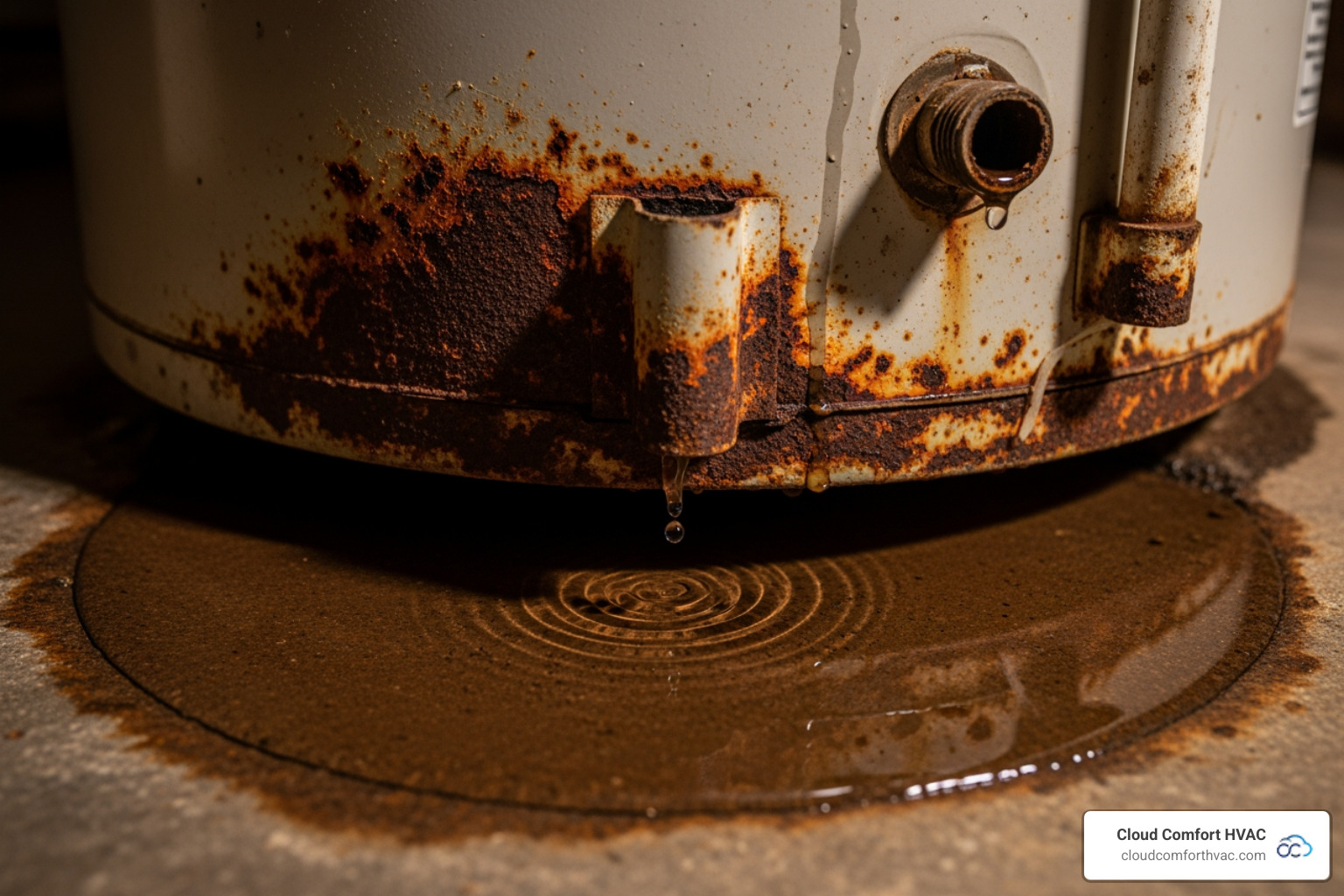
A leaking tank is the most urgent sign you need a water heater replacement. While leaks from fittings or valves may be repairable, a leak from the tank itself means it has rusted through and the entire unit must be replaced. Also, pay attention to a dripping temperature and pressure (T&P) relief valve, as this could signal a faulty valve or dangerous pressure levels inside the tank. Any visible corrosion on the tank's exterior or around pipe connections suggests internal decay and that the unit is nearing the end of its life. Don't wait for a complete failure; a professional inspection can determine if a repair or replacement is the right move.
Exploring Your Water Heater Options: Tank, Tankless, and Hybrid Models
When it's time for a water heater replacement, you'll choose between three main types: traditional storage tank, tankless (on-demand), and heat pump hybrid models. Each offers different benefits in terms of cost, efficiency, and hot water delivery. Understanding these differences will help you find the best match for your home's needs and budget.
| Feature | Traditional Storage Tank Heater | Tankless (On-Demand) Water Heater | Heat Pump (Hybrid) Water Heater |
|---|---|---|---|
| Hot Water Delivery | Stores and delivers hot water; can run out | Heats water on demand; continuous hot water supply | Stores water like a tank, but highly efficient; can run out |
| Energy Efficiency | Moderate (standby heat loss) | High (no standby heat loss) | Very High (moves heat, doesn't generate) |
| Lifespan | 8-12 years (with maintenance) | 20+ years (with maintenance) | 10-15 years (with maintenance) |
| Space Requirements | Large, cylindrical tank | Compact, wall-mounted unit | Larger than standard tank (requires ambient air space) |
| Installation | Simpler, often direct replacement | More complex (venting, gas lines, electrical) | More complex (electrical, venting, space) |
| Upfront Cost | Lower | Higher | Higher |
| Operating Cost | Moderate to High | Lower | Lowest |
Traditional Storage Tank Water Heaters
The conventional storage tank water heater is the classic cylindrical tank that keeps a reservoir of 20 to 100 gallons of water hot and ready for use. It works by heating water with a gas burner or electric elements. The main advantages are a lower upfront cost and simpler installation, especially when replacing a similar model. However, they suffer from standby heat loss, constantly using energy to keep water hot, which makes them less efficient. They also have a finite supply of hot water and a shorter lifespan of 8 to 12 years.
Tankless (On-Demand) Water Heaters
Tankless water heaters heat water instantly as you need it, providing a continuous supply of hot water. When you turn on a tap, a powerful gas burner or electric element activates, heating the water as it flows through the unit. This on-demand process eliminates standby heat loss, making them highly energy-efficient. They also have a compact, wall-mounted design that saves space and a long lifespan of 20+ years. The main trade-offs are a higher upfront installation cost and the need for proper sizing based on your home's peak flow rate (GPM) to ensure adequate hot water during high-demand periods.
High-Efficiency Heat Pump (Hybrid) Water Heaters
For maximum energy efficiency, heat pump water heaters are the top choice. They work like a refrigerator in reverse, pulling heat from the surrounding air and transferring it into the water tank. Because they move heat rather than generating it, they can be two to three times more efficient than standard electric models, leading to significant long-term savings on utility bills. These units also reduce your home's carbon footprint. The drawbacks include a higher upfront cost, larger space requirements for air circulation, and the need for a 240-volt circuit. While they store water in a tank, their incredible efficiency makes them a smart investment for homeowners focused on sustainability and long-term savings.
Choosing the Right Unit: Sizing, Fuel Type, and Efficiency
Selecting the right water heater replacement involves more than just picking a model. Matching the unit's size, fuel type, and efficiency rating to your household's needs is crucial for reliable performance and lower energy bills.
How to Select the Right Size for Your Home
Proper sizing prevents running out of hot water or wasting energy on an oversized unit. For storage tank heaters, sizing is based on the First-Hour Rating (FHR), which indicates how many gallons of hot water it can supply in an hour. A typical family might need a 40-50 gallon tank. For tankless water heaters, sizing is determined by the required gallons-per-minute (GPM) flow rate. You'll need to calculate your peak demand by adding the flow rates of fixtures you might use simultaneously. Your family size and daily routines are the best guide for choosing a system that can keep up with real-world demand.
Understanding Fuel Types
Your choice of fuel—natural gas, propane, or electric—affects operating costs and installation. Natural gas is often the most cost-effective option where available, heating water quickly. Propane offers similar performance for homes without natural gas access. Electric water heaters are versatile and widely available, and they are required for ultra-efficient heat pump models. Your home's existing infrastructure is a key factor. Switching fuel types (e.g., from electric to gas) can add complexity and cost to the installation, as it may require new gas lines or electrical circuit upgrades.
The Importance of Energy Efficiency
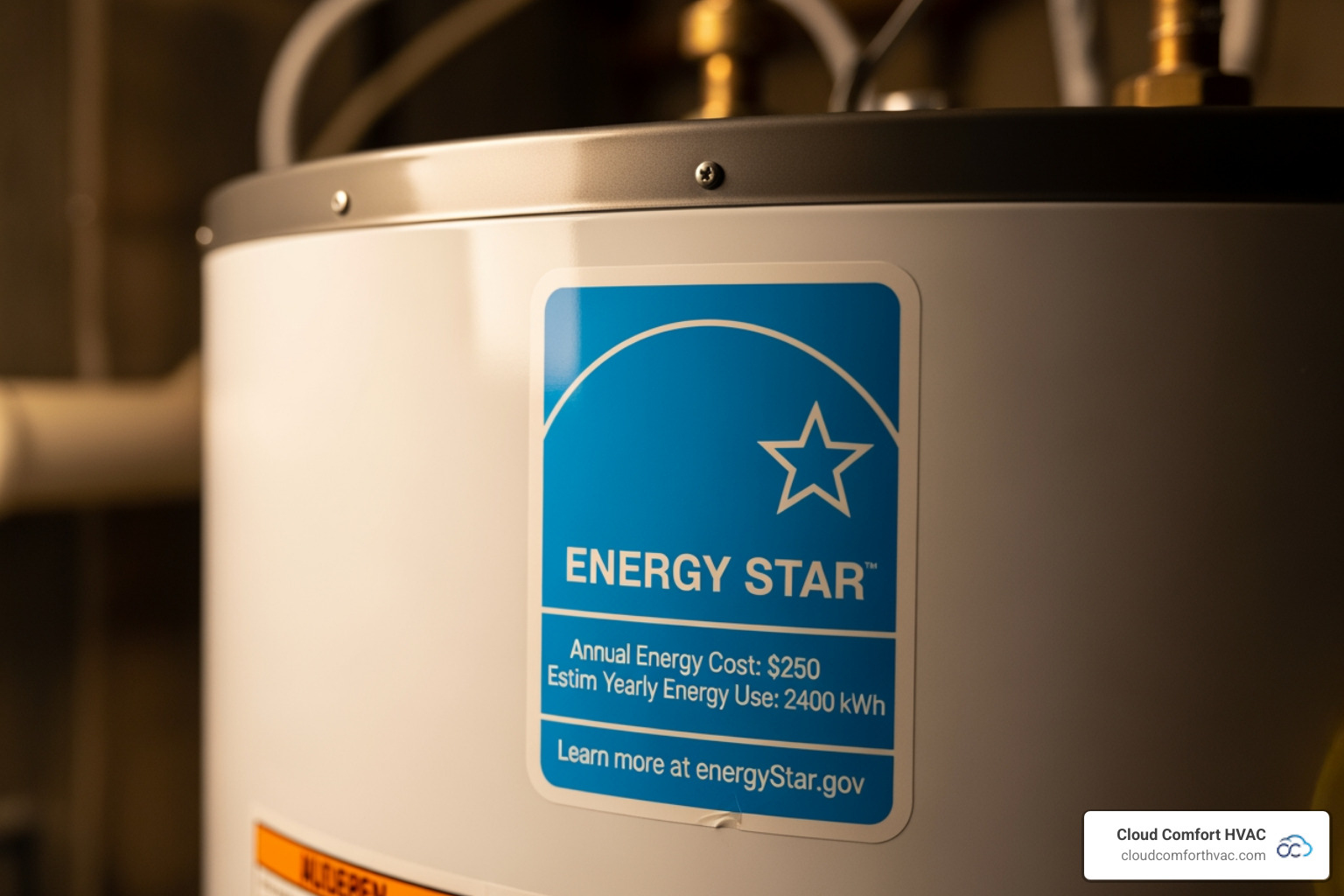
Since water heating can account for up to 20% of your home's energy use, efficiency is key to long-term savings. Look for the ENERGY STAR certification, which identifies models that meet strict EPA efficiency guidelines. The Uniform Energy Factor (UEF) rating measures how efficiently the unit converts fuel to hot water—the higher the UEF, the better. An efficient model can lead to substantial utility savings over its lifespan. Furthermore, many high-efficiency models, like heat pump water heaters, qualify for rebates and federal tax credits (up to $2,000 through 2032), which can significantly offset the initial purchase price.
The Water Heater Replacement Process: DIY vs. Professional
A water heater replacement is a complex job involving high-pressure water lines, fuel connections (gas or electric), and strict venting requirements. For safety and proper function, this project must adhere to local building codes, which usually require permits and inspections. These regulations are in place to prevent serious hazards like gas leaks, carbon monoxide poisoning, electrical fires, and water damage.

Key Steps in a Professional Water Heater Replacement
When our certified technicians handle your water heater replacement, the process is systematic and safe. It begins with shutting off the water, gas, and/or electrical supply. The old tank is then drained and carefully removed. The new unit is positioned, leveled, and carefully connected to the water, fuel, and vent lines. A critical step is installing the temperature and pressure (T&P) relief valve, an essential safety feature. Finally, the system is filled and thoroughly tested for leaks and proper operation to ensure everything meets code and functions perfectly.
DIY vs. Hiring a Professional
While some homeowners enjoy DIY projects, a water heater replacement carries significant risks if done incorrectly. The complexity of plumbing, gas, and electrical work requires specialized knowledge and tools. Improper installation can lead to deadly gas leaks, carbon monoxide exposure, fires, or major water damage. Furthermore, most manufacturers' warranties require installation by a licensed professional. A DIY installation could void your warranty, leaving you responsible for any future repairs or defects. For these reasons, we strongly recommend professional installation to ensure your family's safety, protect your investment, and guarantee code compliance.
Extending Lifespan: Maintenance and Troubleshooting
Routine maintenance can significantly extend your water heater's lifespan, improve efficiency, and help you avoid an unexpected water heater replacement. A small investment of time in regular care helps your unit run smoothly and catches small issues before they become major problems.
Essential Water Heater Maintenance
A few key tasks can add years to your unit's life. Annual flushing is crucial for removing sediment buildup from the bottom of the tank. This sediment forces your heater to work harder, wastes energy, and can cause damage over time. The anode rod, which protects your tank from rust, should be checked every 4-5 years and replaced if it's heavily corroded. Testing the temperature and pressure (T&P) relief valve annually ensures this critical safety feature is working correctly. Finally, setting the thermostat to 120°F provides a safe and efficient balance, hot enough to prevent bacteria growth but not so hot that it poses a scalding risk or wastes energy.
Troubleshooting Common Water Heater Problems
Even with good maintenance, problems can arise. If you have no hot water, check for a tripped circuit breaker (electric) or an extinguished pilot light (gas). A pilot that won't stay lit often indicates a faulty thermocouple. Lukewarm water can be caused by sediment buildup, a damaged dip tube, or a failing heating element. Rumbling or popping noises almost always point to sediment boiling at the bottom of the tank, which can be resolved by flushing. Leaks and drips require immediate attention. While a drip from a valve might be repairable, water pooling at the base of the unit usually means the tank has rusted through and requires an immediate water heater replacement.
Frequently Asked Questions about Water Heater Replacement
How long do different types of water heaters last?
The lifespan of a water heater depends on its type and maintenance. Traditional tank-type water heaters typically last 8 to 12 years. Tankless water heaters, which heat water on demand, can last 20 years or more. Heat pump (hybrid) water heaters, which are highly efficient, generally have a lifespan of 10 to 15 years. If your unit is approaching the end of its expected lifespan, it's wise to start planning for a water heater replacement.
What are the main benefits of upgrading to an ENERGY STAR certified water heater?
Upgrading to an ENERGY STAR certified water heater offers several key benefits. First, it leads to significant long-term savings on your utility bills, as these models use much less energy. For example, a heat pump water heater can save a family over $330 annually. Second, you'll reduce your environmental footprint by lowering your home's energy consumption. Finally, many efficient models qualify for financial incentives, including federal tax credits (up to $2,000 for heat pumps) and local utility rebates, which help offset the initial cost.
How does sediment buildup affect my water heater?
Sediment buildup occurs when minerals from the water supply settle at the bottom of the tank. This layer acts as an insulator, forcing the heater to run longer and work harder to heat the water, which wastes energy and increases your bills. It's also the cause of the common rumbling or popping sounds you might hear. Over time, this constant overheating can damage the tank and lead to premature failure, forcing an early water heater replacement. The best way to prevent this is with annual flushing to remove the mineral deposits.
Conclusion
Choosing a water heater replacement is a major decision, but it doesn't have to be overwhelming. By recognizing the warning signs of a failing unit, you can act proactively. Understanding the main types—traditional tank, tankless, and heat pump hybrid—and the importance of correct sizing, fuel type, and energy efficiency will help you make an informed choice. Prioritizing an ENERGY STAR certified model with a high UEF rating will ensure long-term savings.
While a DIY approach may seem tempting, professional installation is critical for safety, code compliance, and protecting your warranty. Simple annual maintenance will then help your new unit perform reliably for years. At Cloud Comfort HVAC, we specialize in energy-efficient water heater replacement solutions that provide lasting value and comfort.
Ready to explore your water heater options or schedule a professional consultation? Visit our water heater services page to learn more about how we can help restore hot water and peace of mind to your home.
Have an HVAC or plumbing question?
Our Torrance comfort experts are here to help — no pressure, just honest answers.
Ask an Expert