Heat Pump Installation Service: Smart Guide 2025
December 18, 2025

Why a Heat Pump Installation Service Is Your Path to Year-Round Comfort
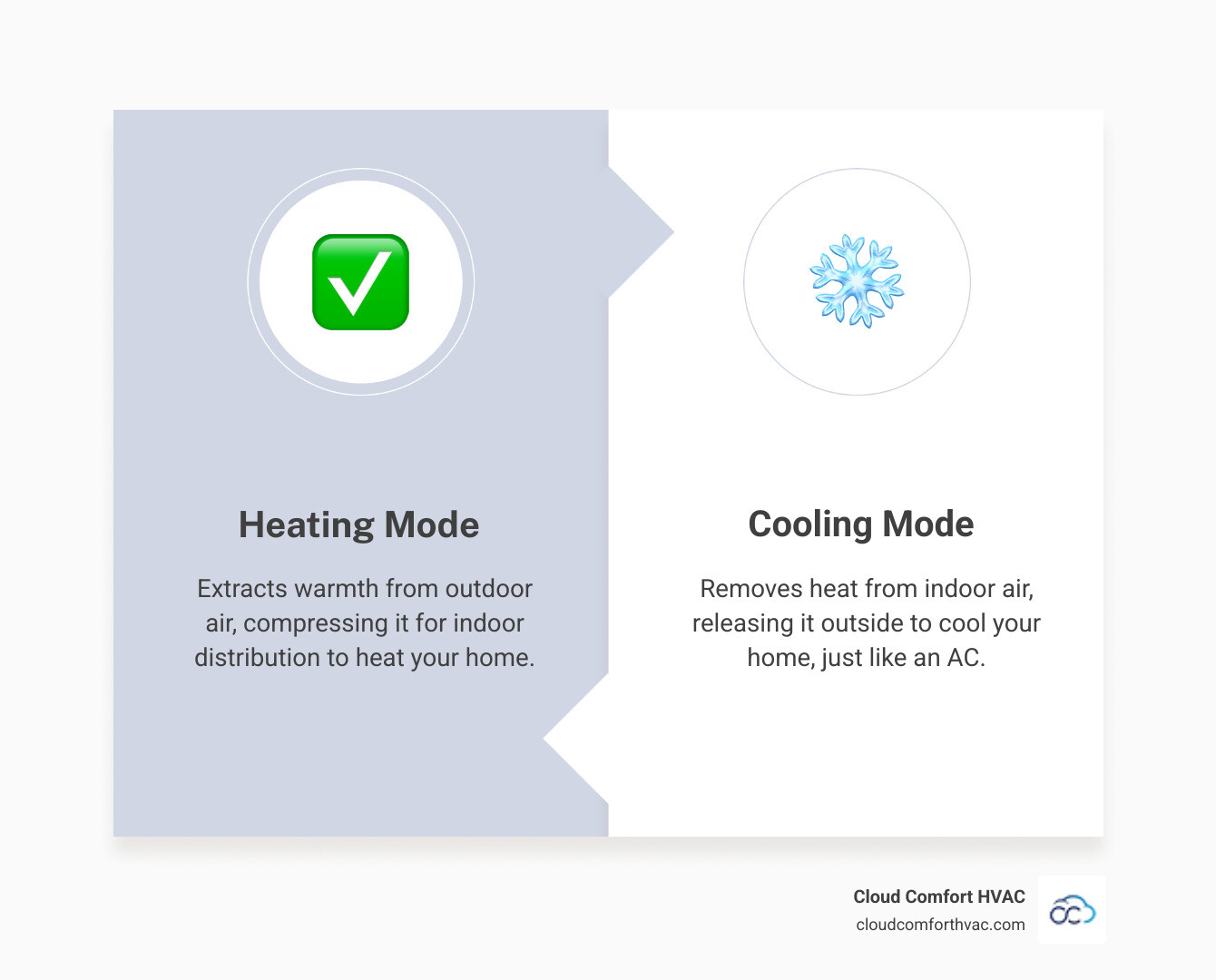
A heat pump installation service delivers both heating and cooling from a single system, using advanced heat transfer technology to keep your home comfortable all year long. Instead of generating heat, it moves existing heat from one place to another—extracting warmth from outdoor air during winter and reversing the process in summer to cool your home.
What a professional heat pump installation service includes:
- Home assessment - Load calculations based on your home's size, insulation, and local climate
- System selection - Choosing between air-source, ductless mini-split, hybrid, or cold-climate models
- Expert installation - Proper placement, refrigerant line connections, electrical wiring, and thermostat setup
- Performance testing - Verifying both heating and cooling modes work efficiently
- Homeowner education - Understanding your controls and maintenance requirements
Most homeowners struggle with separate heating and cooling systems that drive up energy bills and create comfort gaps. Heat pumps solve both problems by replacing multiple systems with one energy-efficient unit that can reduce annual energy bills by up to 30%.
If you're looking for comprehensive heat pump solutions across Los Angeles County, or ready to schedule your professional installation today, we'll walk you through exactly what to expect from a modern heat pump installation service.
Understanding the Different Types of Heat Pumps
Not all heat pumps are created equal, and choosing the right type makes all the difference in how comfortable your home feels and how much you save on energy bills. The good news? There's a heat pump installation service option that fits virtually every home layout and comfort preference in Southern California.
Air-source heat pumps
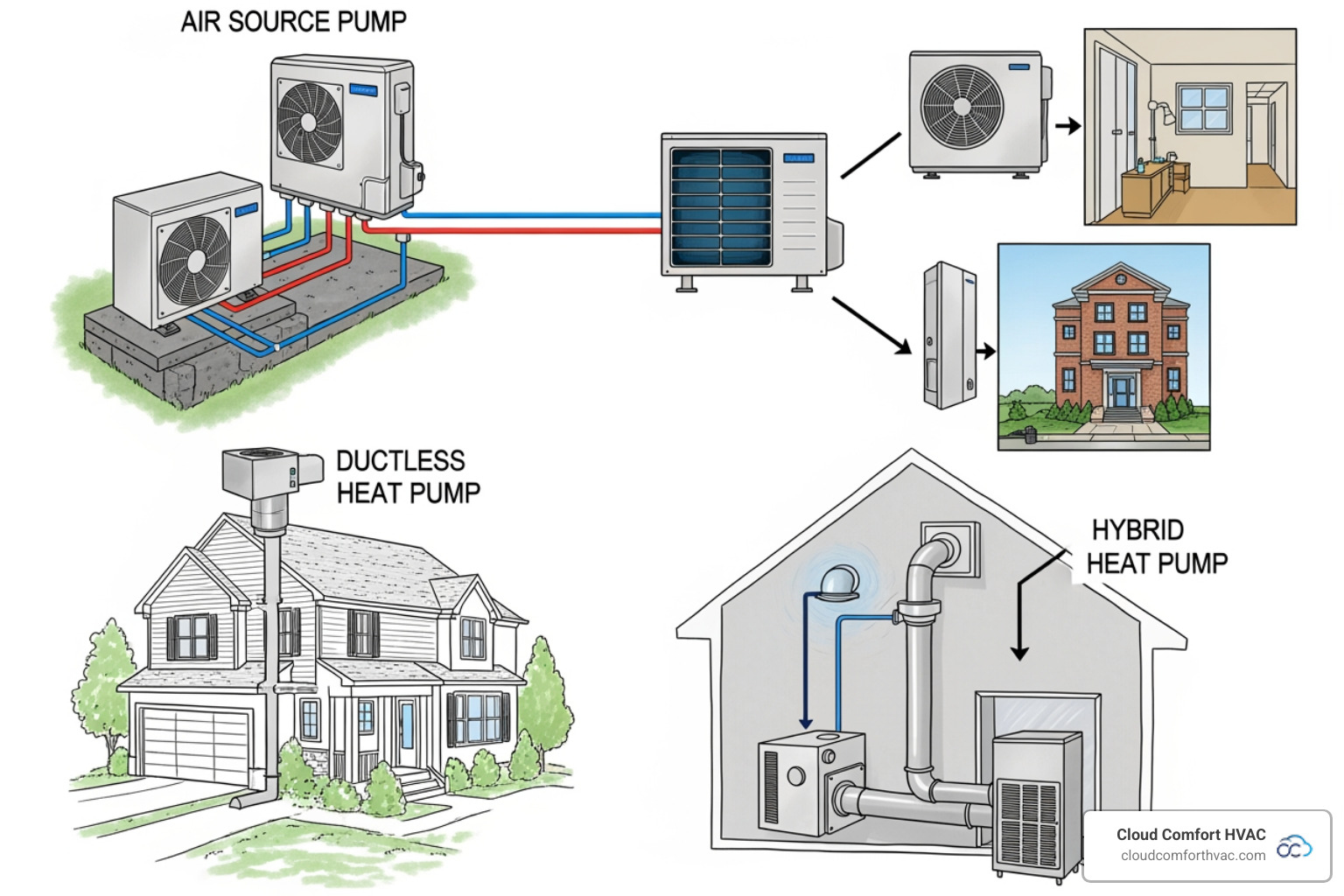
Air-source heat pumps are the most popular choice for a reason—they work beautifully with your existing central ductwork and deliver consistent comfort throughout your entire home. These systems move heat between your indoor space and the outdoor air, extracting warmth from outside during winter and reversing the process when summer arrives.
What makes them ideal for Southern California homes is their versatility. If you already have ductwork in place, an air-source heat pump integrates seamlessly, replacing your old separate heating and cooling systems with one efficient unit. Whether you're in Los Angeles, Irvine, or considering a Heat Pump Installation in Anaheim, CA, this type delivers reliable year-round comfort without major renovations.
Ductless mini-split heat pumps
No ductwork? No problem. Ductless mini-split heat pumps give you the freedom to add heating and cooling exactly where you need it, without tearing into walls or ceilings.
These systems connect an outdoor unit to one or more sleek indoor air handlers through a small conduit that carries refrigerant lines, electrical wiring, and a condensate drain. Each indoor unit controls its own zone independently, so you can keep bedrooms cooler at night while maintaining a comfortable living room temperature during the day.
This zoned comfort approach eliminates energy waste from heating or cooling unused spaces. They're perfect for home additions, converted garages, or that one room that's always too hot or too cold no matter what you do with your thermostat.
Hybrid systems
Sometimes called dual-fuel systems, hybrid heat pumps give you the best of both worlds by pairing an electric heat pump with a traditional gas furnace. While our Southern California winters are generally mild, a hybrid setup offers ultimate flexibility and peace of mind.
The heat pump handles the majority of your heating and cooling needs efficiently, but when temperatures drop unusually low, the system automatically switches to the gas furnace for supplemental warmth. This dual-fuel technology means you're always using the most cost-effective energy source for the current conditions, maximizing both comfort and savings throughout the year.
Cold-climate heat pumps
Modern cold-climate heat pumps represent a significant technological leap forward. These advanced systems use specialized refrigerants and improved compressors to extract heat from outdoor air even when temperatures drop significantly lower than older models could handle.
While we don't face Minnesota winters here in Southern California, cold-climate heat pumps still deliver superior low-temperature performance during our cooler months and occasional cold snaps. They maintain consistent efficiency without relying on supplemental heating as frequently, which translates to lower energy bills and more reliable comfort when you need it most.
Our team at Cloud Comfort HVAC helps you steer these options and select the perfect system for your specific home, climate zone, and comfort preferences. The right choice depends on your existing infrastructure, budget, and how you use your space—and we're here to make that decision straightforward and stress-free.
The Top Benefits of a Modern Heat Pump System
Upgrading to a modern heat pump system isn't just about replacing old equipment—it's about changing how your home feels every single day while making smart choices for your wallet and the planet.
Energy efficiency is where heat pumps truly shine. While traditional furnaces burn fuel to create warmth and air conditioners work overtime just to cool, heat pumps take a completely different approach. They simply move heat from one place to another, which requires far less energy than generating it from scratch. This neat simplicity translates to real savings—many homeowners see their annual energy bills drop by up to 30% after switching to a heat pump. That's money back in your pocket, month after month. If you're curious about the science behind these savings, our guide on Heat Pumps for Energy Efficiency breaks down exactly how they outperform traditional systems.
The beauty of year-round comfort can't be overstated. Imagine never switching between separate heating and cooling systems again. Your heat pump quietly maintains consistent temperature control throughout every season, eliminating those frustrating hot and cold spots that plague older HVAC setups. Whether it's a chilly January morning or a scorching August afternoon, your home stays perfectly balanced.
Improved indoor air quality is a benefit many homeowners don't expect but quickly come to love. Modern heat pumps feature advanced filtration systems that capture dust, pollen, pet dander, and other airborne particles that can trigger allergies and respiratory issues. Beyond filtering, they excel at humidity control—keeping moisture levels in that sweet spot where you feel comfortable and mold can't take hold. Your home doesn't just feel better temperature-wise; the air itself becomes fresher and healthier to breathe.
Finally, there's the eco-friendly operation that lets you sleep a little easier at night. By reducing your dependence on fossil fuels for heating, heat pumps dramatically lower your home's carbon footprint. They run on electricity, and as more renewable energy sources join the power grid, your environmental impact keeps shrinking. It's a simple choice that ripples outward in positive ways. For a complete picture of why so many Southern California homeowners are making the switch, take a look at our Top 5 Reasons to Buy a Heat Pump System.
Your Guide to a Professional Heat Pump Installation Service
A professional heat pump installation service is more than just dropping in new equipment. It's a careful, step-by-step process that ensures your new system is perfectly suited to your home, transforming its comfort from the ground up.
Step 1: Home Assessment and System Sizing
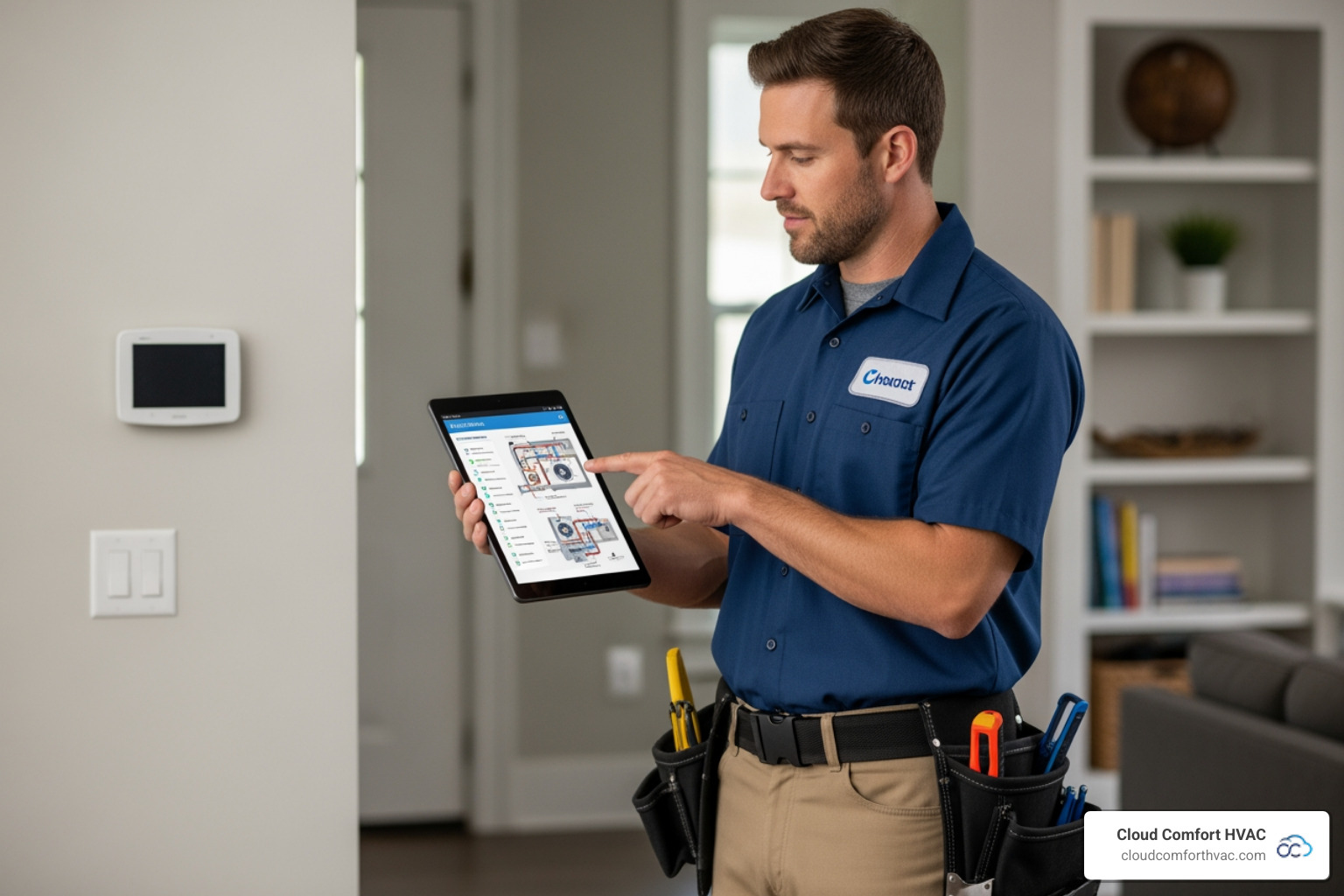
The first step is a thorough home assessment to determine the correct system size. This begins with a load calculation to figure out the precise heating and cooling power your home needs. Our technicians evaluate your home's size and layout, insulation quality, windows, and local climate. If you have existing ductwork, we inspect it for leaks or damage to ensure conditioned air reaches every room. Proper sizing is critical. An undersized heat pump will struggle to keep up, while an oversized unit will cycle inefficiently, wasting energy and failing to control humidity. We find the perfect fit for your home. When we perform a Heat Pump Installation in Los Angeles, CA, this precision is essential.
Step 2: The Heat Pump Installation Service Process
Once we've selected your perfectly sized system, our team arrives on time for installation. We begin by placing the outdoor unit on a level pad with proper clearance for airflow. Inside, we handle the indoor components, connecting to existing ductwork or mounting ductless units for optimal air distribution. The refrigerant lines connecting the units are meticulously installed and sealed to prevent leaks and ensure efficiency. Next, our licensed technicians handle all electrical wiring according to code for safe, reliable operation. Finally, we install and program your thermostat, including smart models, ensuring it communicates correctly with your new system. Most central heat pump installations are completed in a single day, typically around 8 hours. More complex jobs, like multi-zone systems or ductwork modifications, may take longer, but we always communicate the timeline clearly. A Heat Pump Installation in Irvine, CA follows this same careful process.
Step 3: Post-Installation Checks and Your Heat Pump Installation Service
The installation isn't finished until we verify everything works perfectly. We run comprehensive system tests in both heating and cooling modes, checking refrigerant levels and temperatures. Airflow testing ensures conditioned air is distributed evenly throughout your home. Next, we conduct a homeowner walkthrough to explain how your new system works, from switching modes to programming the thermostat. We also provide maintenance education, showing you how to change filters and explaining the importance of annual professional tune-ups to protect your investment. We're here to answer all your questions until you're completely satisfied. When we complete a Heat Pump Installation in Huntington Beach, CA, we make sure every homeowner knows we're just a phone call away for support.
Heat Pump Lifespan, Maintenance, and Replacement Signs
Investing in a heat pump is a significant decision, and understanding its expected lifespan, necessary maintenance, and signs that it might be time for a replacement will help you protect that investment and keep your home comfortable for years to come.
Typical lifespan
Heat pumps are built to last. With proper care and regular maintenance, you can expect your heat pump to serve your home reliably for 10 to 20 years. That's a decade or two of consistent heating and cooling from a single system! This impressive longevity makes them a smart investment that pays dividends over time, delivering year-round comfort season after season.
Factors affecting longevity
Not all heat pumps reach their full potential lifespan, and several factors play a role in determining how many years you'll get from your system. Quality of installation is perhaps the most critical factor—a professional heat pump installation service ensures your system is correctly sized for your home and installed according to manufacturer specifications. Poor installation can lead to efficiency issues and premature wear that shortens your system's life significantly.
Regular maintenance is the second major factor. Think of it like caring for a car—consistent tune-ups and attention keep everything running smoothly. Skipping maintenance might not cause problems immediately, but over time, small issues compound into bigger failures that could have been prevented.
Your usage patterns also matter, though modern heat pumps are designed to handle consistent daily use without issue. Finally, while climate conditions can affect system performance, our Southern California weather is actually ideal for heat pumps. We don't experience the extreme temperature swings that put extra strain on these systems in other parts of the country.
Required maintenance
Keeping your heat pump in peak condition doesn't require a mechanical engineering degree. Two simple practices will extend your system's life and keep it running efficiently: regular filter changes and annual professional tune-ups.
Changing your filters is the single most important thing you can do for your heat pump. Dirty filters restrict airflow, forcing your system to work harder and consume more energy. We recommend checking your filters monthly and replacing them as needed, especially during peak heating and cooling seasons when your system runs most frequently. It takes just a few minutes and can prevent hundreds of dollars in repair costs down the road.
Annual professional maintenance is equally important. During a tune-up, our technicians thoroughly inspect and clean your system's coils, check refrigerant levels to ensure optimal performance, examine all electrical components for signs of wear, lubricate moving parts to reduce friction, test thermostat settings for accuracy, and verify proper airflow throughout your home. These comprehensive checks catch minor issues before they become major headaches. If you're looking for reliable ongoing care, our Heat Pump Maintenance in Los Angeles, CA service keeps your system running smoothly year after year.
Signs for replacement
Even with diligent maintenance, every heat pump eventually reaches the end of its useful life. Recognizing when it's time for a replacement rather than another repair can save you money and frustration.
Frequent repairs are often the first red flag. If you're calling for service multiple times a year, especially for costly repairs, those expenses add up quickly. At a certain point, investing in a new, reliable system makes more financial sense than continuing to patch an aging unit.
Strange noises deserve immediate attention. Buzzing, grinding, hissing, popping, or clunking sounds usually indicate serious internal problems. While some noises can be fixed, others signal that major components are failing.
Reduced performance is another clear indicator. If your home isn't staying as comfortable as it used to, or you're noticing significant temperature differences between rooms, your heat pump might be losing capacity. This often happens gradually, so you might not realize how much performance has declined until you experience a properly functioning system again.
If your heat pump is approaching 12 to 15 years old, it's worth considering a replacement even if it's still working. Newer models offer dramatic improvements in energy efficiency that can offset the cost of a new heat pump installation service through lower utility bills. Technology has advanced significantly in recent years, and what was state-of-the-art a decade ago now seems outdated by comparison.
Finally, watch for rising energy bills that can't be explained by increased usage or rate changes. An aging or struggling heat pump works harder to maintain comfort, consuming more electricity in the process. If your bills have crept steadily upward, your system might be telling you it's time for an upgrade.
If you're experiencing any of these warning signs, don't wait until you're facing an emergency breakdown on the hottest day of summer or the coldest night of winter. Our team can assess your system and provide honest recommendations about whether repair or replacement makes the most sense for your situation. We're always ready to help with Heat Pump Repair in Fullerton, CA and throughout our service area, giving you straightforward guidance you can trust.
Frequently Asked Questions about Heat Pumps
We get plenty of questions from homeowners who are curious about heat pumps and whether they're the right fit for their homes. Let's tackle some of the most common ones we hear during our heat pump installation service consultations.
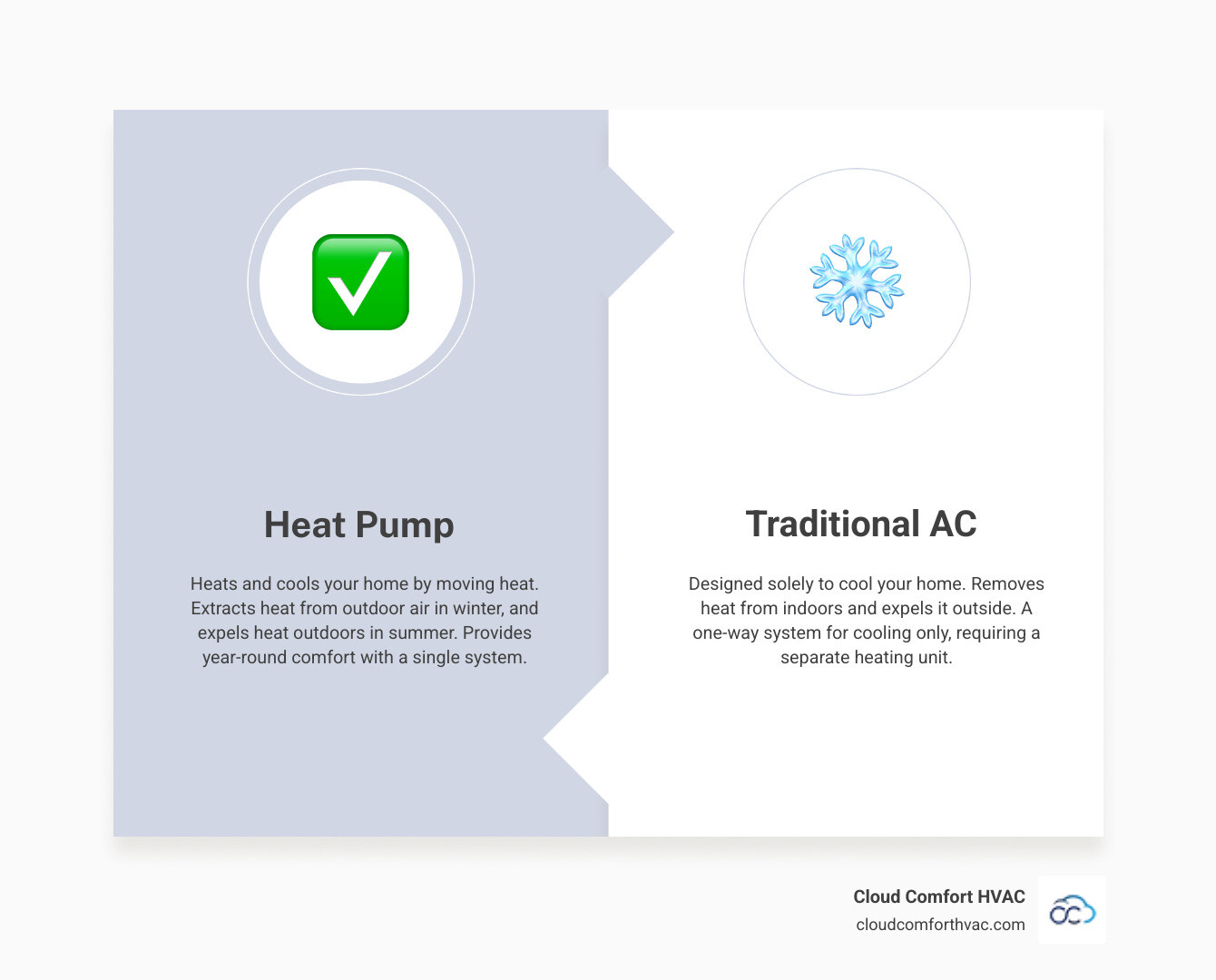
How does a heat pump compare to a traditional air conditioner?
Here's the fundamental difference: your traditional air conditioner is a one-trick pony. It only cools. When summer arrives, it removes heat from inside your home and dumps it outside, keeping you comfortable during those warm Southern California days. But when winter rolls around? You're on your own—you'll need a separate heating system.
A heat pump is your year-round comfort champion. It can cool your home just like an air conditioner during summer, operating in essentially the same way. But here's where it gets interesting: when you need warmth, it simply reverses the process. Instead of pushing heat out, it extracts warmth from the outdoor air (yes, even cool air contains heat energy!) and brings it inside. This dual functionality means you're getting both heating and cooling from a single, integrated system. No need for separate equipment taking up space or driving up your installation and maintenance costs.
Do I still need a furnace if I install a heat pump?
The short answer? It depends on what you prefer and where you live—though in our mild Southern California climate, many homeowners find a heat pump alone does the job beautifully.
Standard heat pumps can work seamlessly as standalone systems for both heating and cooling in our region. They're designed to handle the temperature ranges we typically experience, providing efficient warmth during our gentle winters and reliable cooling when things heat up. That said, some homeowners appreciate the flexibility of a hybrid system, where the heat pump teams up with a furnace. In this dual-fuel setup, the heat pump handles most of your heating needs (because it's incredibly efficient), but if temperatures drop significantly or you simply prefer the cozy feel of gas heat on particularly chilly evenings, the system can automatically switch to your furnace for backup warmth.
Advanced cold-climate heat pumps have changed the game even further. These modern units are specifically engineered to extract heat efficiently even in much colder conditions than older models could manage. While we don't face harsh winters here, these cold-climate models can often replace a furnace entirely, providing consistent, efficient heating throughout our cooler months without needing any supplemental heat source. During your consultation, we'll help you determine which approach makes the most sense for your home and comfort preferences.
How long does a typical heat pump installation take?
Good news: most central heat pump installations wrap up in a single day, usually taking around 8 hours from start to finish. Our experienced technicians arrive ready to work, and they'll handle everything—removing your old system, positioning and securing the new outdoor unit, installing or connecting indoor components, running refrigerant lines, completing all electrical connections, and programming your new thermostat. You'll often wake up with your old system and go to bed with your new heat pump humming along quietly.
Of course, every home is unique, and the timeline can shift depending on what your specific installation requires. If we're working with a more complex multi-zone ductless mini-split system, or if your home needs significant ductwork modifications, the installation might extend a bit longer. Similarly, if we're starting from scratch with no existing HVAC infrastructure, we'll need additional time to ensure everything is installed correctly. Our team plans carefully and communicates clearly throughout the process, so you'll always know what to expect. We work efficiently while never cutting corners, because a proper heat pump installation service done right the first time means years of reliable, comfortable performance for your home.
Conclusion: Upgrade Your Home with an Expert Installer
You've learned how a heat pump installation service transforms your home with efficient heating and cooling in one smart package. Whether you're drawn to the versatility of an air-source system, the zoned flexibility of ductless mini-splits, the backup security of a hybrid setup, or the advanced performance of cold-climate models, there's a heat pump solution perfectly suited to your Southern California home.
The benefits speak for themselves: dramatically lower energy bills, comfortable temperatures year-round, cleaner indoor air, better humidity control, and a smaller carbon footprint. These aren't just talking points—they're real improvements you'll experience every single day.
But here's the truth that matters most: even the most advanced heat pump won't deliver on its promise without proper installation. The difference between a system that performs beautifully for 15-20 years and one that struggles from day one comes down to expertise. Accurate load calculations ensure your system isn't too small or too large. Precise refrigerant line connections prevent efficiency losses. Careful electrical work keeps your home safe. Thorough testing catches issues before they become problems.
At Cloud Comfort HVAC, we've built our reputation on getting these details right every single time. Our expert technicians don't cut corners or rush through installations. We treat your home with respect, explain everything clearly, and stand behind our work with solid warranties and our 1-year Comfort Promise. When we say we're committed to your satisfaction, we mean it—our high Google rating reflects the experiences of hundreds of happy homeowners across Los Angeles County.
Ready to stop wrestling with high energy bills and inconsistent temperatures? Your home deserves better than patched-together heating and cooling. Let's talk about how a modern heat pump can transform your comfort while trimming your utility costs. Learn more about our Heat Pump Systems and find why so many Southern California families trust us with their home comfort.
Have an HVAC or plumbing question?
Our Torrance comfort experts are here to help — no pressure, just honest answers.
Ask an Expert